
Victorian Grassland Earless Dragon Targeted Surveys
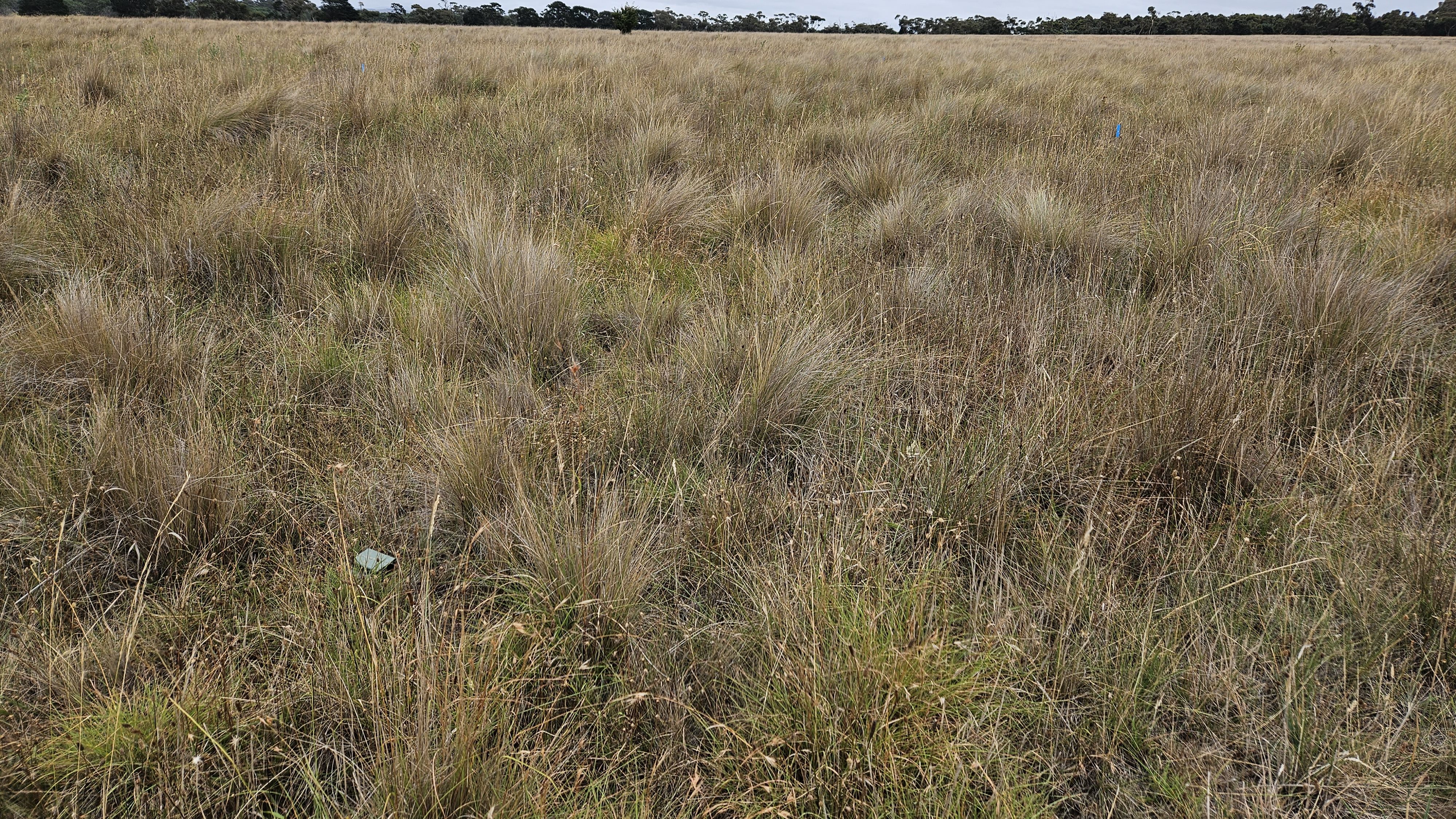
To start off 2024, Ecolink’s current work revolves around a thorough study of the elusive Victorian Grassland Earless Dragons Tympanocryptis pinguicolla (VGED). Through collaboration with the Recovery Team and officials from the Department of Energy, Environment and Climate Action (DEECA), our team has gained invaluable insights into surveying these creatures in the field (Zoos Victoria, 2024).
Drawing from this research, we have carefully replicated survey tactics tailored to VGED habitats. Our approach involves the strategic deployment of pitfalls and the creation of 200 artificial spider burrows, carefully positioned within grids across the Victorian Plains Grasslands. These measures aim to uncover the presence of these elusive creatures, by employing innovative survey techniques.
The Victorian Grassland Earless Dragon is a critically endangered lizard species, listed under both the Environment Protection and Biodiversity Conservation Act 1999 and the Flora and Fauna Guarantee Act 1988. Measuring up to 12 centimeters in length, VGED lacks external ear openings and possesses distinct pale stripes along its back. Initially believed extinct in Victoria since 1969, it was rediscovered in 2023. Preferring natural temperate grasslands and basalt rock habitats, VGED faces threats from habitat loss due to urbanization and agriculture. Our team of Ecologists strive to enhance our understanding of VGED populations and contribute to their conservation efforts.
Striped Legless Lizard Targeted Surveys
The Striped Legless Lizard Delma impar is listed as ‘Endangered’ on the Victorian Flora and Fauna Guarantee Act 1988 Threatened List (Department of Environment Land Water and Planning 2021). The species has a national recovery plan for its protection, prepared in 1999 (Smith and Robertson 1999).
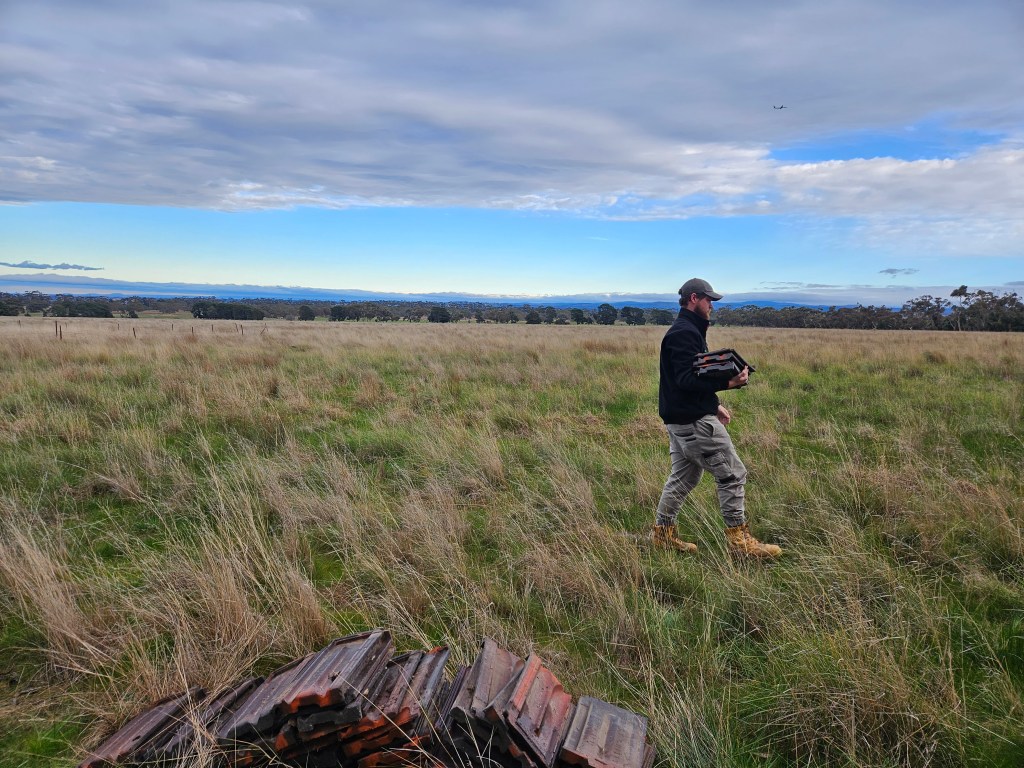
The team at Ecolink have been running around Victoria conducting multiple surveys across the beautiful grasslands of Australia for the annual spring surveys. Striped Legless Lizards are usually found native in tussock grasslands and woodland (Wilson and Swan 2010). Ideal habitats are often dominated by species such as Spear Grass Austrostipa bigeniculata and Kangaroo Grass Themeda triandra (Smith and Robertson 1999). However the structural characteristic of the habitat is more important, containing elements such as logs, rocks and other debris to provide shelter for these small ectotherms (Cogger 2000).
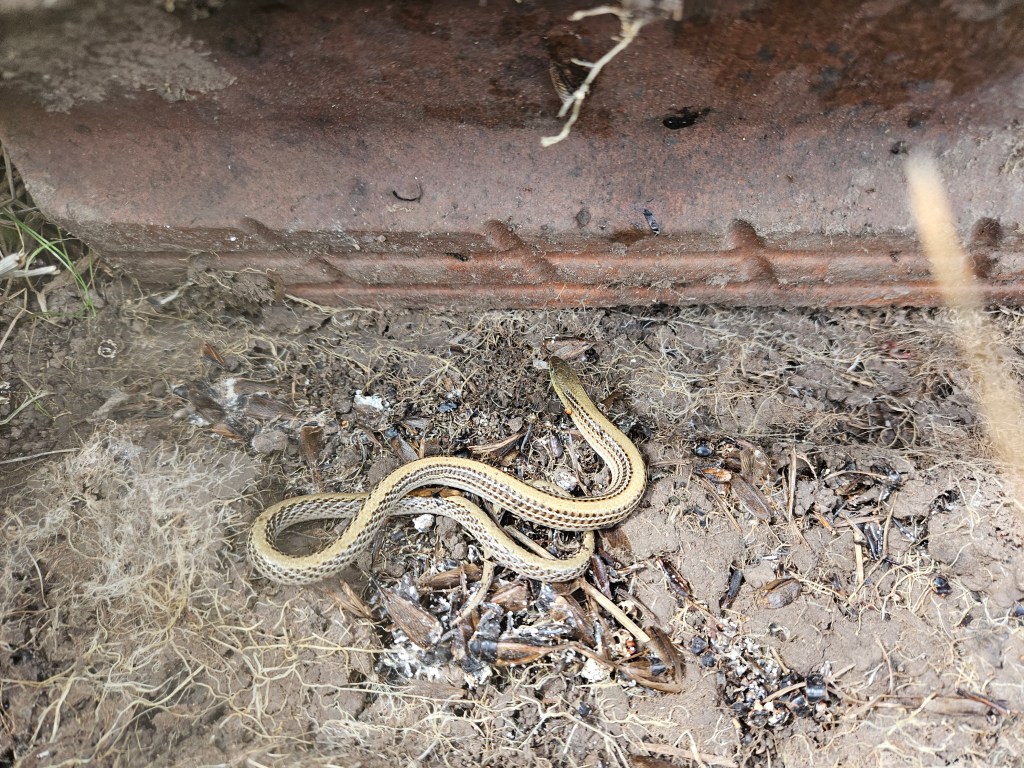
Other creatures can be found on hot days beneath the tile habitats we are assessing during the spring surveys however. Species such as Wolf Spiders Lycosa spp., Copper Heads Austrelaps labialis, White Skink Liopholis whitii and Spotted Marsh Frogs Limnodynastes tasmaniensis were observed during our spring surveys and many more.
Sloane’s Froglet Targeted Surveys
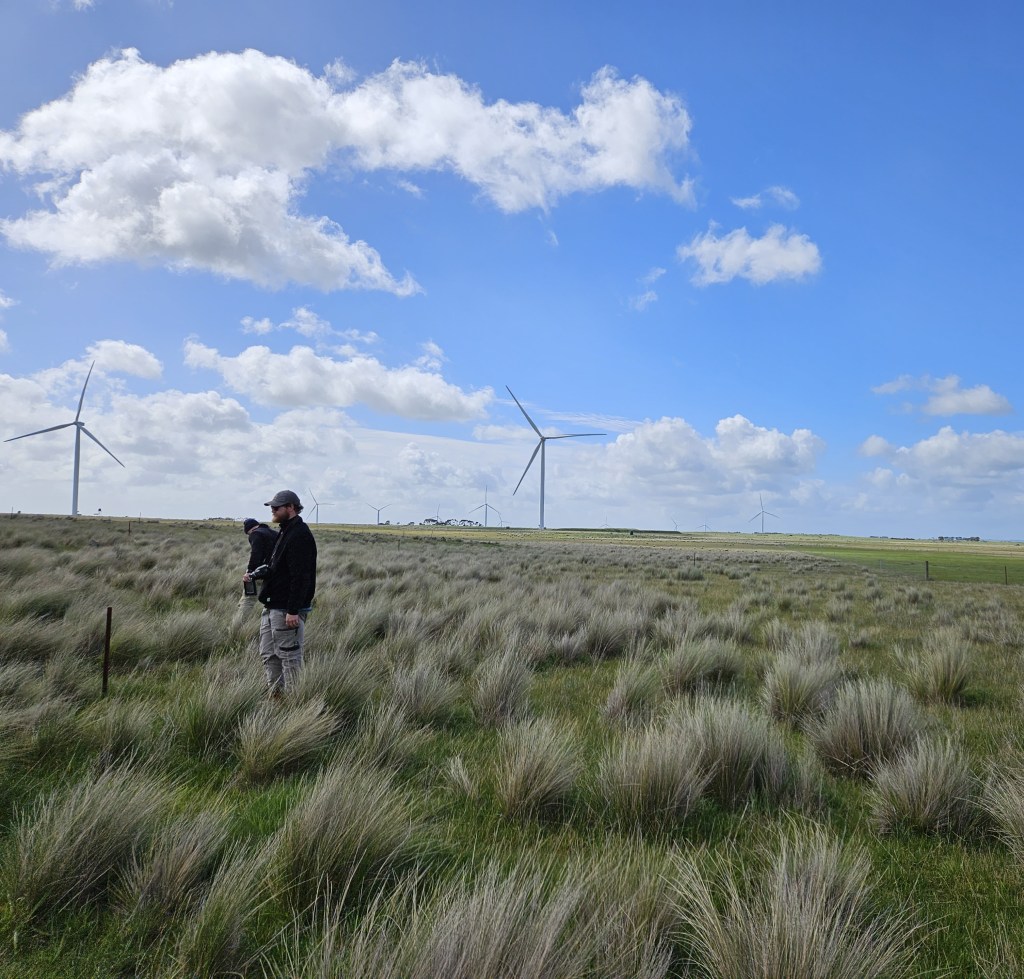
During peak mating season for the Sloane’s Froglet in early August, the team at Ecolink Consulting have conducted multiple surveys across the Riverine Bioregion to listen out for this endangered species.
Sloane’s Froglet Crinia sloanei is a small, ground dwelling frog, similar in appearance to other species in the genus Crinia, it is only reliably identified by its call (Tyler and Knight 2011). Important populations occur in Albury and Corowa (Alexandra Knight 2013) due to a key threat to this species; the loss of habitat through clearing and changes to water regimes and water quality.
The Sloane’s Froglet is listed as Vulnerable in NSW under the Biodiversity Conservation Act 2016 (NSW Office of Environment and Heritage 2017), NSW Threatened Species Conservation Act 1995 and Endangered in Victoria under the Flora and Fauna Guarantee Act 1988 and the Commonwealth Environment Protection and Biodiversity Conservation Act 1999 (EPBC Act) (Department of Environment Land Water and Planning 2021).
Very little is known about this species with many reports drawing on generalisations of frog habitat information and management recommendations (Alexandra Knight 2014). Management actions should therefore be cautiously approached and partnered with careful monitoring and assessment of habitat and population activity.
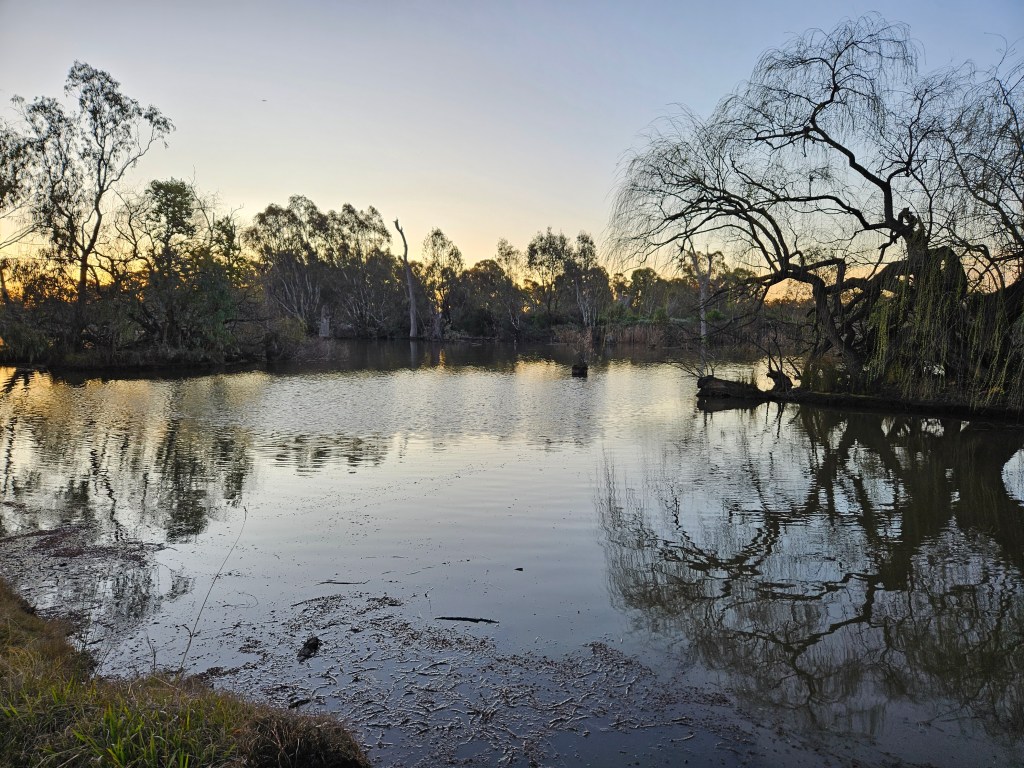
Spiny Rice-flower Pimelea spinescens subsp. spinescens Winter Surveys
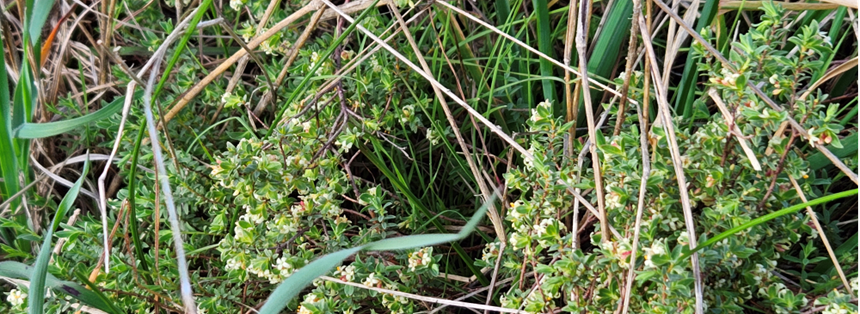
The Spiny Rice-flower is listed as ‘Critically Endangered’ under the Environment Protection and Biodiversity Conservation Act 1999 (Cth) (EPBC Act). It is also listed as Critically Endangered’ under the Flora and Fauna Guarantee Act 1988 (Vic) (FFG Act). Winter flowering of the threatened species means our team has been busy conducting surveys across Victoria though April-August. These surveys are undertaken in accordance with the methodology prescribed in the Biodiversity Precinct Structure Planning Kit (DSE 2010), and the Significant impact guidelines for the critically endangered spiny rice‑flower.
Simon Scott, Liam McCormack and Jessica Murphy have surveyed for this species throughout Victoria, particularly western Melbourne in locations such as Ravenhall, Caroline Springs and Burnside. The assessors traversed the study area, spaced roughly five metres apart, and walked transects across the area, performing a thorough search for the Spiny Rice-flower. The number and sex of all plants was also to be recorded and then uploaded to the large VBA government database.
Melton Renewable Energy Hub
Working with MREH Pty Ltd and Melton City Council, extensive Biodiversity assessments have been conducted by Ecolink Consulting to help manage the impacts of development on the natural environment in Plumpton. This project was advertised in The Australian and The Age, during the planning stages of this huge renewable project in Victoria in July 2023.
Eastern Grey Kangaroo Management Plans in 2023
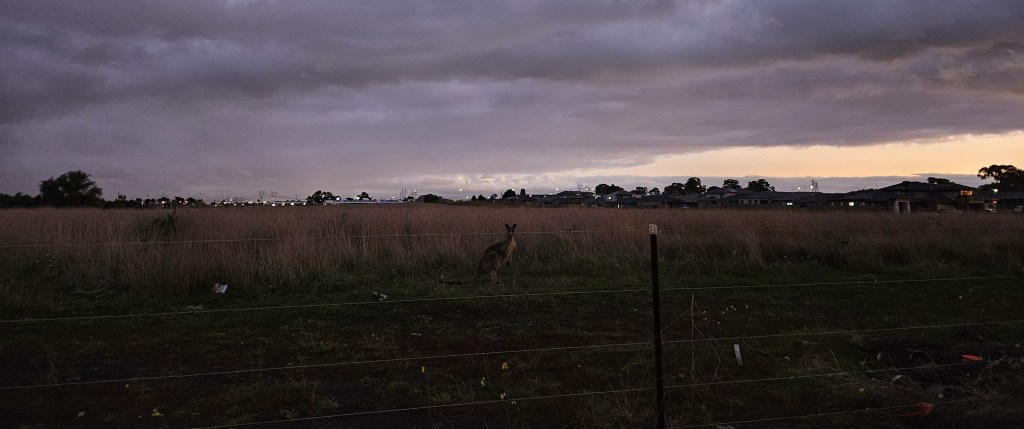
Working with various developers and DEECA, Ecolink has completed Eastern Grey Kangaroo Management Plans across Victoria in 2023, particularly within Urban Growth Zones in the western suburbs, such as Wyndham Vale, Tarneit, Sunbury and Rockbank. Other developing areas in towns such as Donnybrook, South Morang, Wollert, Greenside and many more.
The EGK is a mobile species that is commonly found throughout Victoria. Its habitat, including grassland, grassy woodland and farmland, is likely to be impacted by the urban development associated with Melbourne’s Growth Areas and thus reducing their overall habitat. This may potentially result in human safety issues and EGK welfare issues through direct impacts or loss of habitats, including foraging and water sources. In particular, EGK or mobs of EGK, may become “land-locked” if not managed properly at a landscape scale. Land locked EGKs are more likely to suffer from welfare issues including reduced habitat, stress, and altered behaviour such as attempting to cross roads or fences.
In order to minimise the potential for land-locking of EGKs, an EGKMP must be prepared for the study area to minimise risks to people, EGKs and the environment that result from development on the home range of EGK. It is a long-term, adaptable plan to minimise risks over the life of development at the site.
The guiding principles of the EGKMP are:
- Public safety and the humane treatment of EGK are top priorities in planning for the management of EGKs in applicable Precinct Structure Plans;
- Management strategies must consider the lifetime of the development;
- “Driving” or “herding” of wildlife is an offence under the Wildlife Act 1975, and the Department of Energy, Environment and Climate Action (DEECA) will not issue permits for such activities; and
- Any observation of disease or decreased mobility in the EGK population should be reported to DEECA immediately.
Habitat Assessment for the Swift Parrot, Coburg North
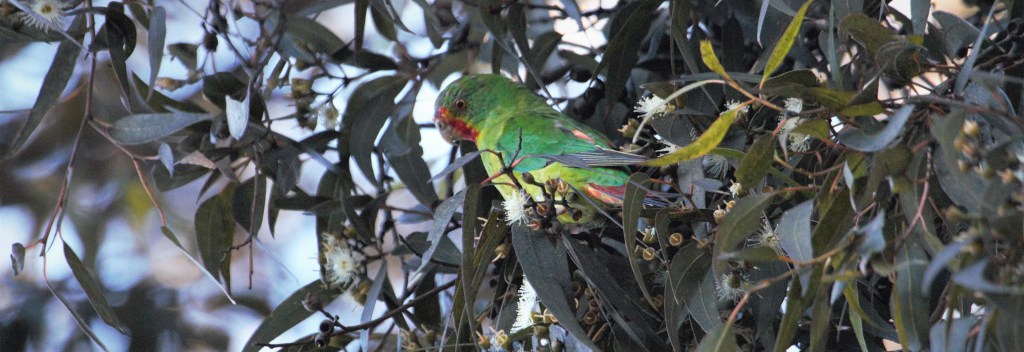
Ecolink recently worked with the Metropolitan Roads Program Alliance, to undertake an ecological assessment of the habitat values of a group of trees for the local Swift Parrot Lathamus discolor. The Swift Parrot is an Australian endemic winter migrant from Tasmania. The Parrots breed during summer in open, dry, grassy sclerophyll woodlands, usually associated with Tasmanian Blue Gum Eucalyptus globulus (Higgins 1999).
Swift Parrots are listed as Critically Endangered on the Commonwealth Environment Protection and Biodiversity Conservation Act 1999 (EPBC Act), are Listed under the Victorian Flora and Fauna Guarantee Act 1988 (FFG Act), and is considered Critically Endangered in Victoria (DSE 2013).
METHOD
A habitat assessment was undertaken to determine the type, extent and quality of Swift Parrot habitat within the trees, undertaken by our Senior Ecologist Dr Stuart Cooney, who is familiar with the species, its habitat requirements and the species’ movements within Victoria.
In addition to the site assessment, a thorough review of publicly available Swift Parrot observations was undertaken to determine their presence and abundance within 3kms of Merlynston Station. This review included:
- The Department of Land, Water and Planning’s (DELWP) Victorian Biodiversity Atlas (Department of Environment Land Water and Planning 2021); and,
- eBird: An online database of bird distribution and abundance (eBird 2012).
Targeted Orchid Surveys, Wellington Road Upgrade
Ecolink Consulting was able to undertake targeted orchid surveys for the proposed upgrade of Wellington Road in 2021. These species were assessed as having potentially suitable habitat within the study area and therefore might be present and impacted by the proposed road upgrade.
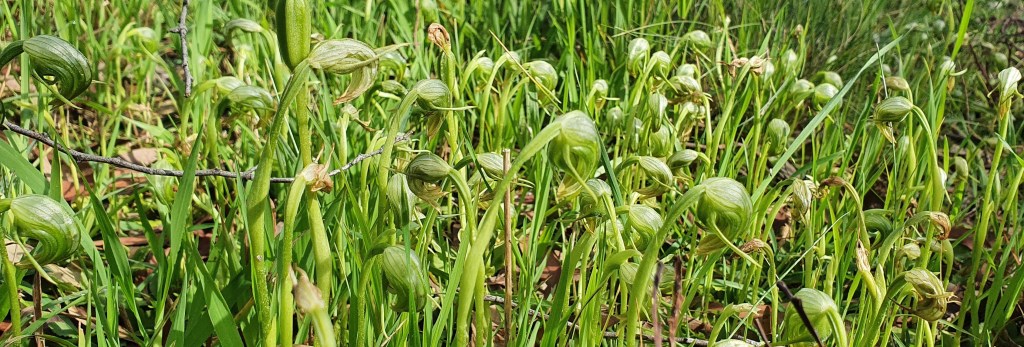
Nineteen orchid species were recorded during the surveys and a grand total of 51,245 individuals were counted across 2 weeks by our specialists!
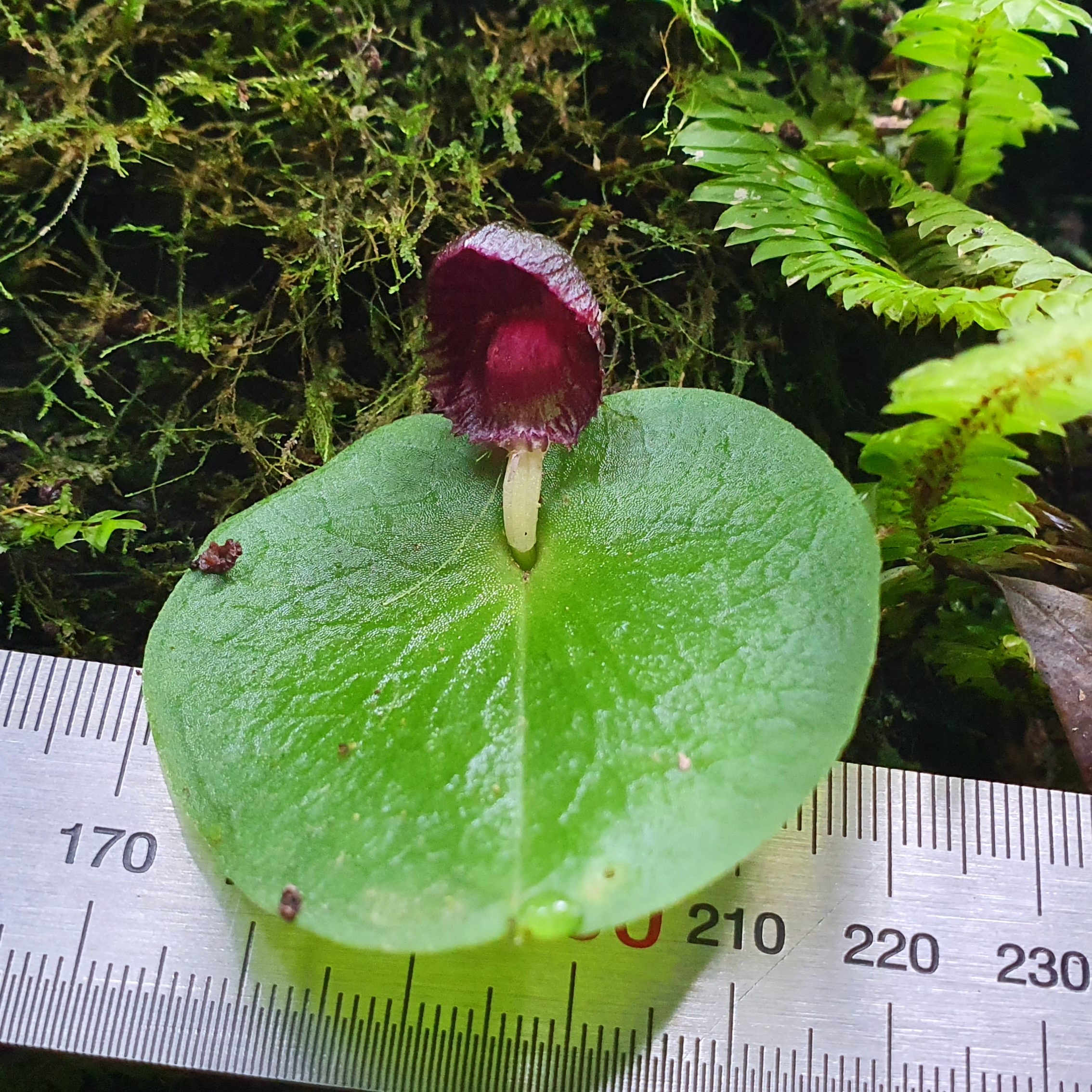
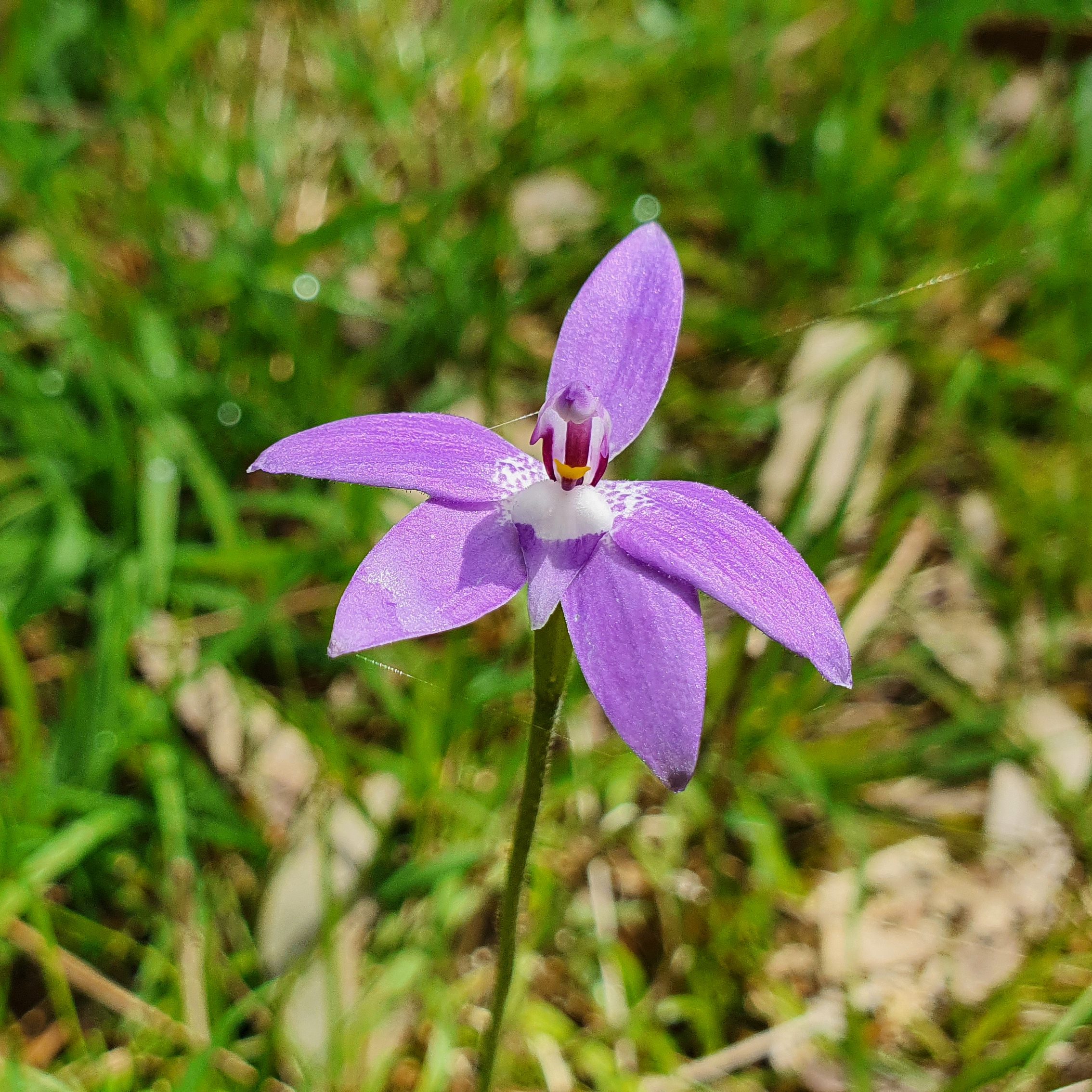
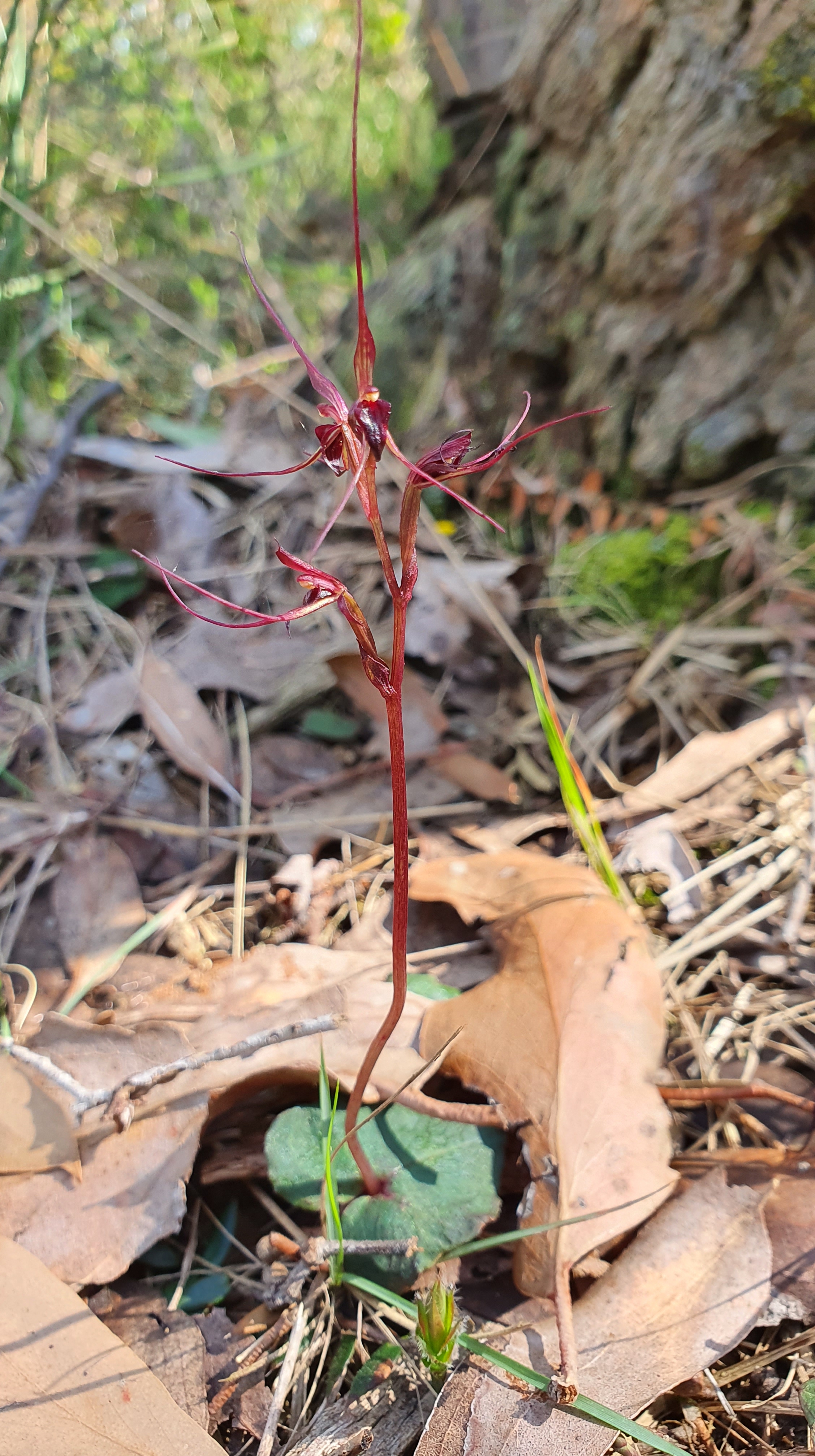
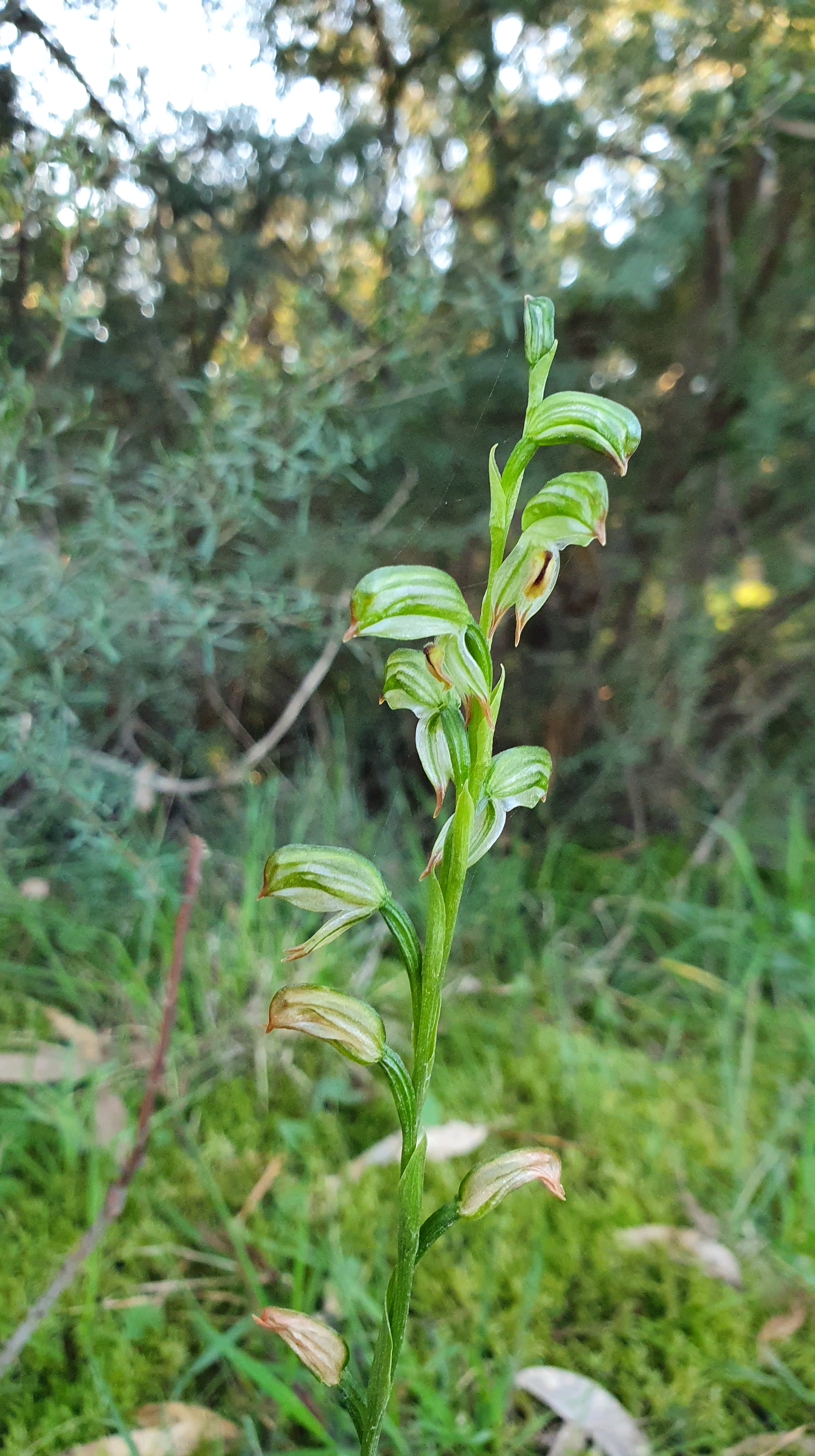
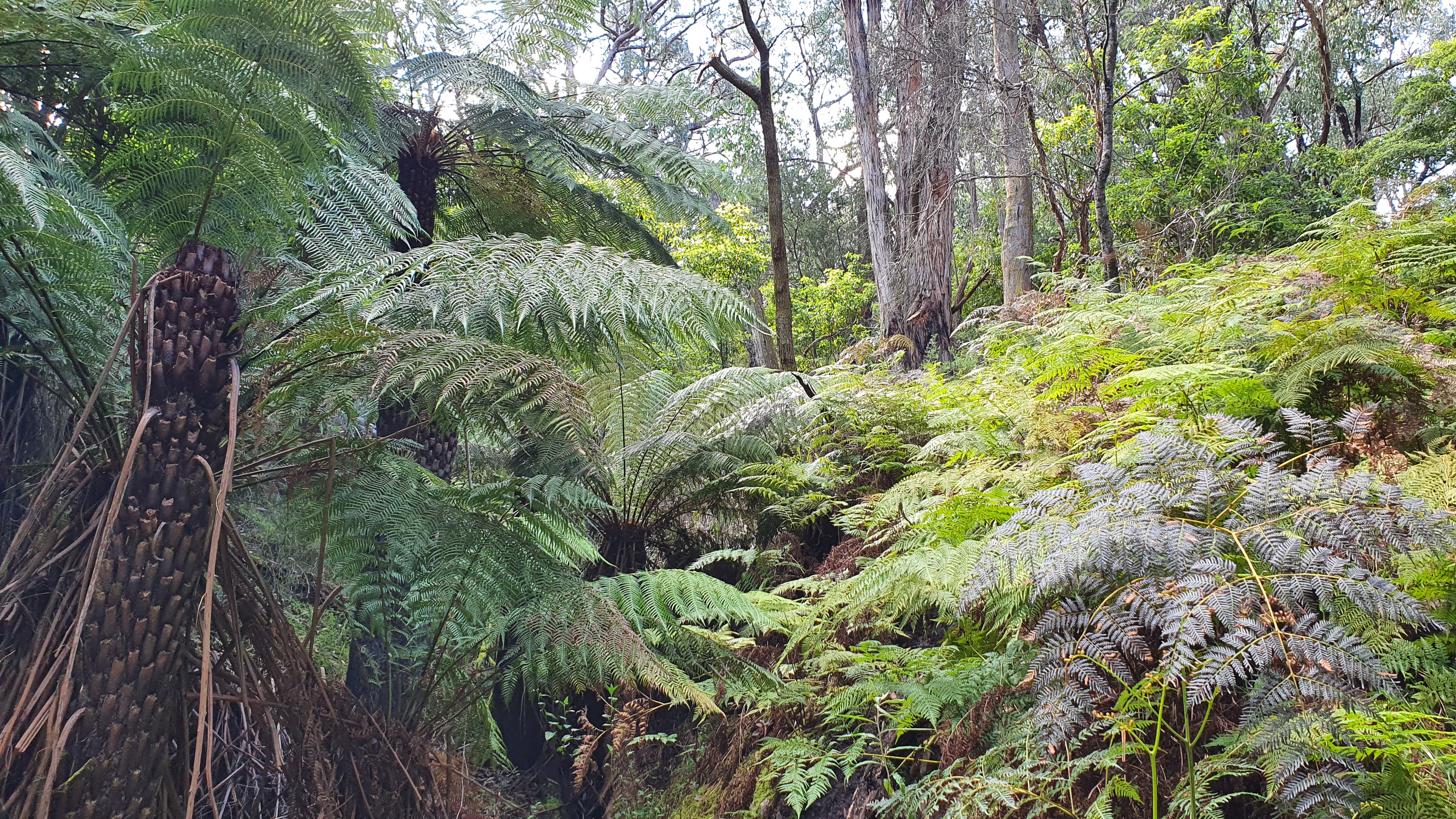
Some of the orchids that were recorded included the Tall Greenhood Pterostylis melagramma, Mayfly Orchid Acianthus caudatus, Helmet Orchid Corybas sp. Wax-lip Orchid Glossodia major and over 29 thousand Nodding Greenhood Pterostylis nutans.
Finley Solar Farm
Working with ESCO Pacific and Accent Environmental, Ecolink completed biodiversity assessments for the proposed Finley Solar Farm in southern NSW. Ecolink contributed these assessments to an Environmental Impact Assessment for the project, having undertaken threatened species surveys and BioBanking investigations within the footprint of the Solar Farm. Advice provided by Ecolink allowed ESCO to refine its development plan to avoid ecological sensitivities within the site, while still achieving the required megawatt capacity of the Solar Farm.
Frankston City Council ESO review
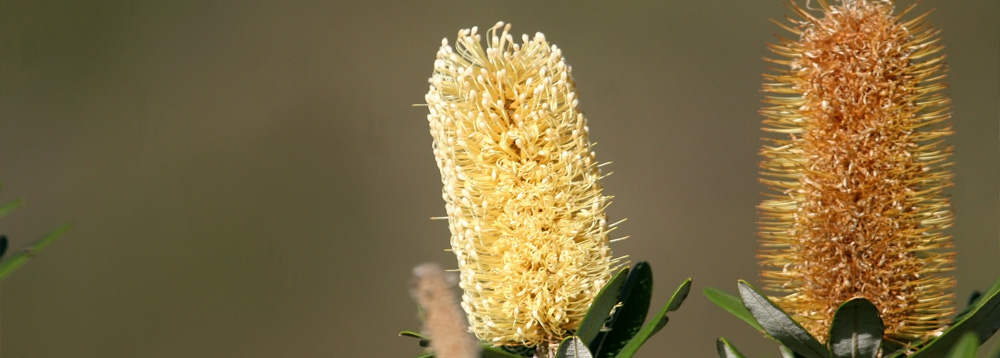
Ecolink recently completed stage one of a comprehensive review of the status of the Environmental Significance Overlay 1 within the Frankston City Council municiplity. This review investigated all of the native vegetation within the municipality to determine its current status and level of protection. The review saw us investigate the leafy Langwarrin Woodlands, the majestic River Red-gums of the former Carrum Carrum Swamp and the Banksia Woodlands of the foreshore strip (Client: Frankston City Council; May-October 2017).
Melton West Precinct Structure Plan Biodiversity Assessments
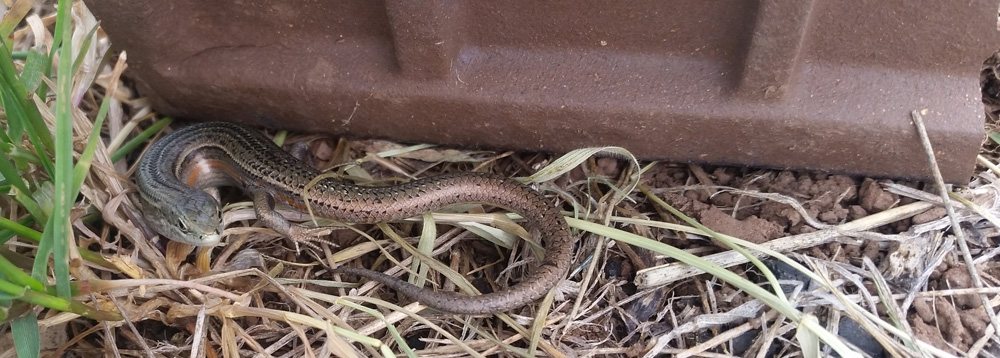
Ecolink undertook a comprehensive Biodiversity Assessment to identify areas of ecological importance within the area for the proposed Melton West Precinct, on behalf of the Melton City Council. This was an important project that included large-scale, precinct wide mapping of vegetation, identification of significant species and targeted threatened species surveys for the following nationally threatened species:
- Spiny Rice-flower;
- Golden Sun Moth;
- Growling Grass Frog;
- Swift Parrot; and
- Striped Legless Lizard.
The project also included strategic planning of the Precinct to minimise impacts to the ecological values of the region (Client: Melton City Council; December 2014–December 2015).
Environmental Water FLOWS studies
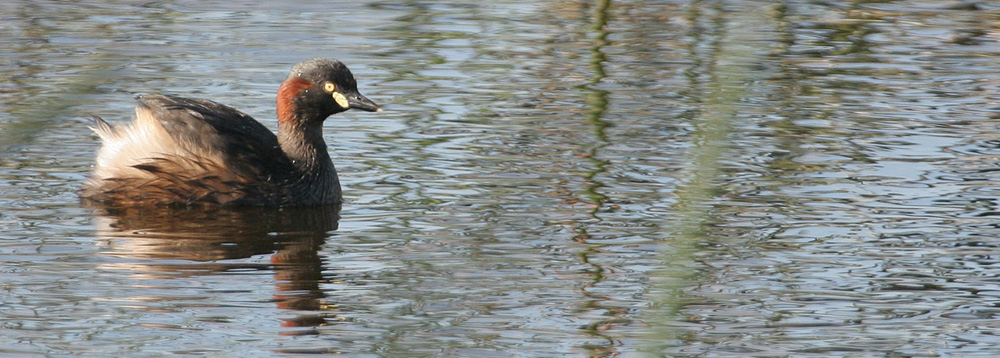
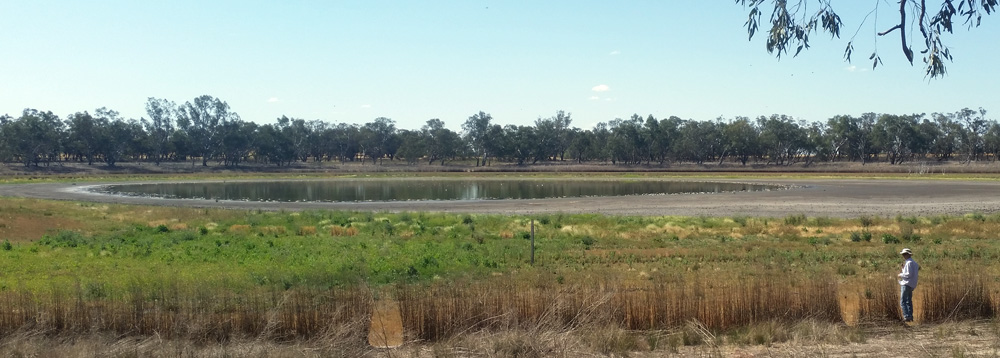
Ecolink has been practice leader in ornithology on a number of FLOWS assessments. In this role, Ecolink worked with a range of specialists to determine optimal environmental watering regimes within a number of river and wetland systems across northern Victoria. As practice leader in ornithology Ecolink provided expert advice in relation to restoring water regimes that would maximise bird abundance and species diversity and restore bird breeding to these systems. These projects include work at Dock Lake (April 2015), the Meran Lakes complex (June 2016) and the Pyramid and Serpentine Creeks, including an emphasis on returning water flows to the Red Gum Swamp at Durham Ox (Client: Jacobs and NCCMA; June 2014).
Jackson’s Creek, Sunbury Masterplan
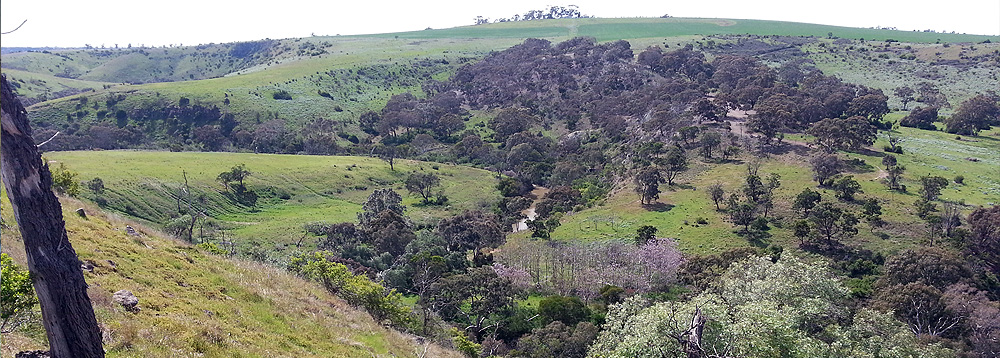
In 2013 Ecolink collaborated with Fitzgerald, Frisby Landscape Architects to undertake a landmark project to determine the future of the Jackson’s Creek Corridor. For this assessment, Ecolink identified key ecological assets of the corridor, prioritised them and worked with the landscape architects to determine management actions to preserve and enhance them. This involved detailed literature reviews, community and other stakeholder consultation and habitat assessments (Client: Hume City Council; April 2013–October 2013).
Northern Connector Project, Adelaide
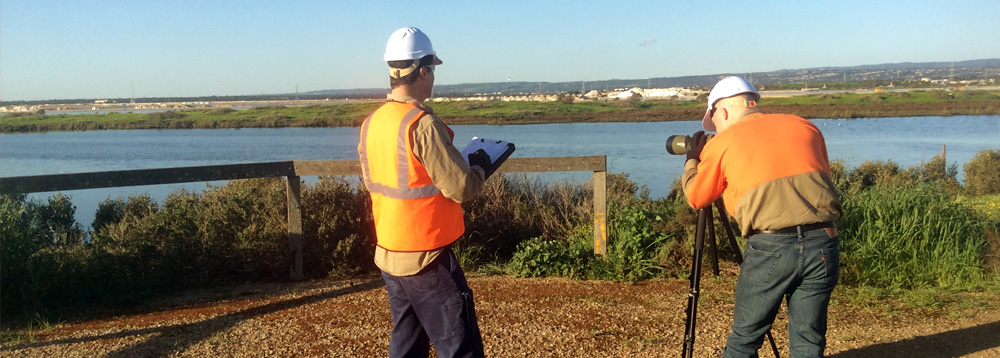
Ecolink was initially engaged by the Department of Planning, Transport and Industry to prepare an Environment Protection and Biodiversity Conservation Act 1999 (Cth) referral for this major road infrastructure project. A condition of this being a non-controlled action was ongoing monitoring and surveys of waterbirds potentially impacted by the construction of the Freeway. This includes pre-, during- and post-construction surveys at fixed locations in and around the construction area, which Ecolink undertake three times a year (Client: Department of Planning, Transport and Industry and LendLease; September 2015–2020).
Puckapunyal Military Base Avifauna Surveys
Ecolink has provided expertise as a sub-consultant to AECOM to undertake bird surveys for threatened woodland birds and nocturnal birds at the Puckapunyal Military Base. Identification of species by appearance and call was critical in this project that was a continuation of work begun by a now deceased ornithologist (Client: AECOM and Department of Defence; April 2015, April 2016).
Growling Grass Frog Habitat Mapping
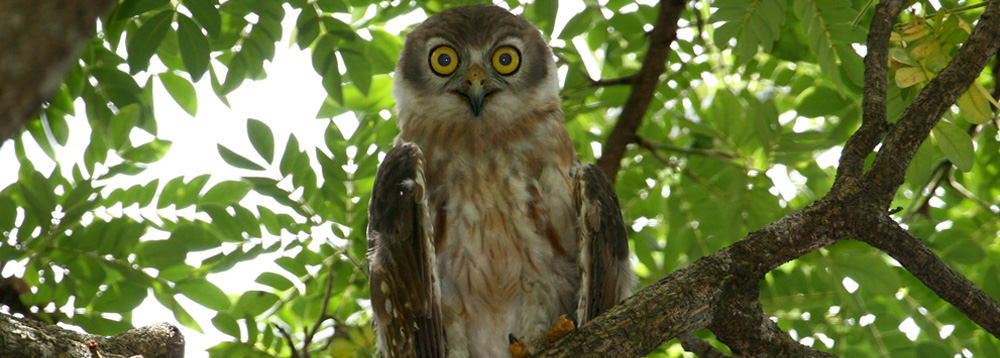
Ecolink was engaged to undertake habitat mapping for Growling Grass Frogs throughout Melbourne’s north-western growth corridor for the Victorian Planning Authority (VPA). The purpose of this project was to help the VPA determine land use priorities within new Precinct Structure Plan areas that potentially supported the nationally Vulnerable Growling Grass Frog (Client: VPA; July 2015–April 2016).
Gas Pipeline Ecological Audits
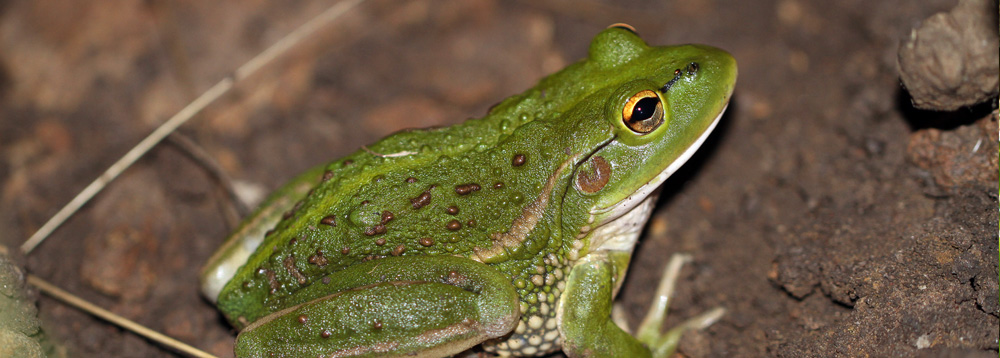
Ecolink collaborated with ERIAS Group to provide a ‘Line List’ of ecological values along 100’s of kilometres of gas pipeline across Victoria. The purpose of the assessment was to create an inventory of ecological features to allow the owners of the pipeline to manage their assets in a safe and ecologically friendly manner (Client: APA Group; June–September 2016).
Warburton Gas Pipeline
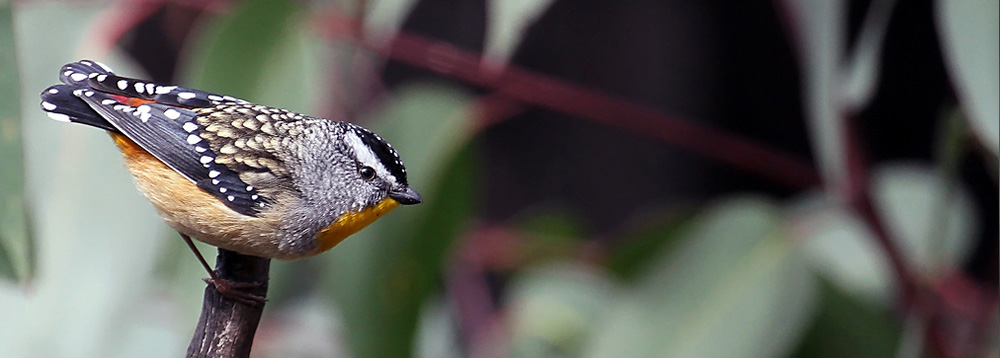
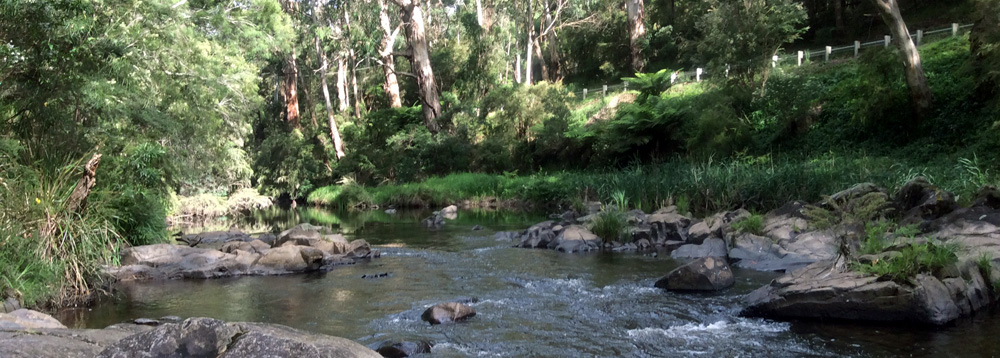
Prior to the installation of a reticulated gas service to the township of Warburton, Victoria, Ecolink undertook a detailed biodiversity assessment of the proposed pipeline route. This helped inform the construction methods to be used to install the pipeline, to minimise impacts to ecological values in this environmentally sensitive area (adjacent to the Yarra River). Ecolink also engaged aquatic ecology specialists to undertake targeted surveys for Burrowing Crayfish Engaeus spp. to determine if threatened species occurred, or were likely to be impacted, within the works zone (Client: Comdain Infrastructure; November 2014–current).
VicRoads Northern Region Road Improvement Works
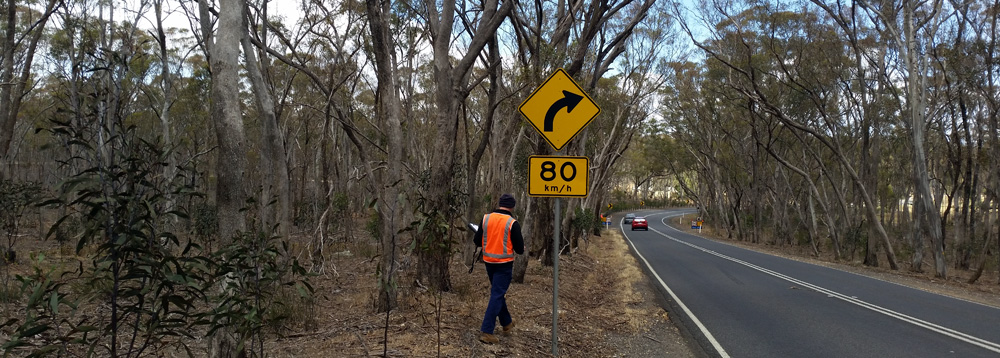
Ecolink has developed a close relationship with VicRoads Northern Region, providing a number of Biodiversity Assessments across northern Victoria. The projects focus on the impacts to native vegetation of road safety upgrades and accounting for vegetation offsets that VicRoads provides for impacts to native vegetation as a result of these works. A key goal and outcome of these assessments is the reduction of impacts to native vegetation. Ecolink also provides advice in relation to threatened flora and fauna species and have prepared Environment Protection and Biodiversity Conservation Act 1999 (Cth) referrals for environmentally sensitive projects. Recent projects include works on the Pyrenees Highway at Newstead (November 2015–December 2016); the Gisborne-Kilmore Road (September 2015–January 2016); at an intersection in Bolinda Creek (July–November 2015); the Jock Comini Rest Area Biodiversity Assessment (March–May 2015); the Gisborne-Melton Road (November 2013–February 2014); the Bendigo-Pyramid Road (August–September 2014); in Lockwood and Shelbourne (December 2013–February 2014); and on the Pyrenees Highway, Castlemaine (October–November 2013).
Biodiversity Assessments
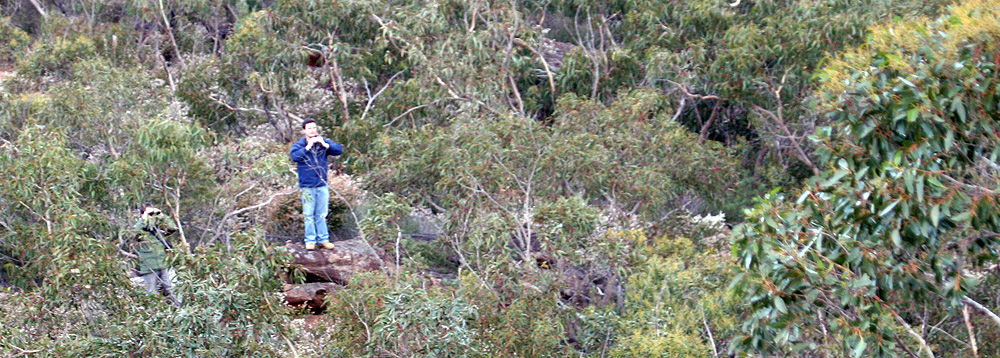
Ecolink has undertaken hundreds of Biodiversity Assessments for a variety of clients in the past four years. These assessments range from large to small, from straightforward to complicated. For these projects, we work with the proponent to determine the ecological values of the subject site and explain the process for achieving planning permit permission by providing advice in relation to relevant state and national legislation and policies.
Kangaroo Management Plans
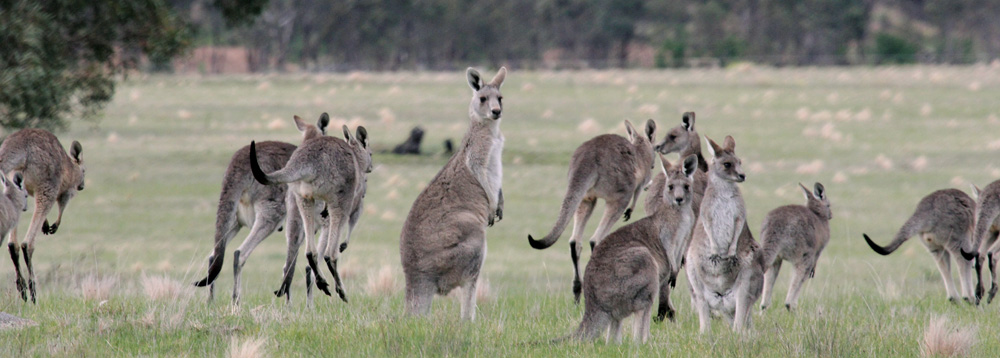
Ecolink has prepared more than 20 separate Eastern Grey Kangaroo Management Plans for developers within Melbourne’s Growth Areas. These Eastern Grey Kangaroo Management Plans have been endorsed by the Melbourne Strategic Assessment team at the Department of Environment, Land, Water and Planning to meet conditions of planning permits issued for the developments. During these project, Ecolink has collected an extensive data-set of kangaroo observations and movements, which ensures that the information presented to the regulators is complete and accurate and facilitates the quick and smooth compliance with this condition of a planning permit.
Other Work
This is just a sample of the works that we have undertaken recently. If you would like more information on these projects or any others, or would like to enquire to see if we can help you protect or manage your ecological values, please don’t hesitate to contact us.
References
Alexandra Knight (2013). ‘The distribution of Sloane’s Froglet, Crinia sloanei, in southern NSW and northern Victoria: a review of historical distribution records and results from surveys undertaken from 2010 to 2013. Institute of Land, Water and Society Report No. 70, Charles Sturt University, Albury.’.
Cogger H (2000). ‘Reptiles and Amphibians of Australia ‘ (Reed New Holland: Sydney).
Department of Environment Land Water and Planning (2021). ‘Flora and Fauna Guarantee Act 1988 – Threatened List. October 2021.’ Department of Environment Land Water and Planning, Melbourne, Victoria.
Department of Sustainability and Environment (2011). ‘Salvage and Translocation of Striped Legless Lizard in the Urban Growth Areas of Melbourne: Operational Plan.’ (Department of Sustainability and Environment: Melbourne).
Department of Sustainability and Environment (2013). ‘Advisory List of Threatened Vertebrate Fauna in Victoria.’ (Department of Sustainability and Environment: Melbourne).
Department of Environment Land Water and Planning (2021). Victorian Biodiversity Atlas. Available at https://vba.dse.vic.gov.au/vba/index.jsp. Accessed 10 January 2021. Department of Environment Land Water and Planning, Melbourne.
DSE (2010). ‘Biodiversity Precinct Structure Planning Kit.’ (Department of Sustainability and Environment: Melbourne).
eBird (2012). eBird: An online database of bird distribution and abundance. Available at http://www.ebird.org. Accessed 2 June 2021. eBird, Ithaca, New York.
Higgins PJ (1999). ‘Handbook of Australian, New Zealand and Antarctic Birds: Volume 4 Parrots to Dollarbird.’ (Oxford: Melbourne).
NSW Office of Environment and Heritage (2017). Sloane’s Froglet – profile. Available at http://www.environment.nsw.gov.au/threatenedspeciesapp/profile.aspx?id=20088. Accessed 14 January 2017. NSW Office of Environment and Heritage, Sydney.
Smith WJS and Robertson P (1999). National Recovery Plan for the Striped Legless Lizard (Delma impar): 1999-2003. Unpublished report to Environment Australia, Canberra. (Smith WJS and Robertson P: Canberra).
SEWPaC (2013). Delma impar – Striped Legless Lizard in Species Profile and Threats Database. Available at http://www.environment.gov.au/cgi-bin/sprat/public/publicspecies.pl?taxon_id=1649. Accessed 19 August 2013. Department of Sustainability, Environment, Water, Population and Communities, Canberra.
Tyler MJ and Knight F (2011). ‘Field Guide to the Frogs of Australia.’ (CSIRO Publishing: Melbourne).
Wilson S and Swan G (2010). ‘A Complete Guide to Reptiles of Australia.’ (New Holland: Sydney).
Zoos Victoria (2024). ‘Recovery from the brink of extinction – Victorian Grassland Earless Dragon.’
 Ecolink Consulting